Inside a Santos SP Drain Service Van: What It Carries
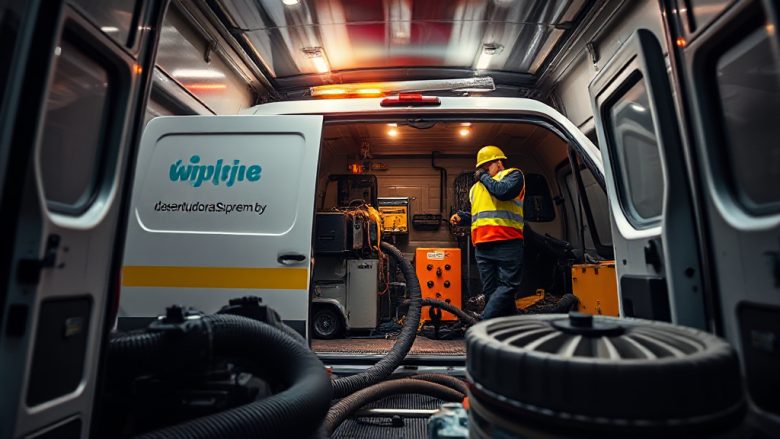
The rear doors of a service van swing open on a narrow street in Santos SP, and the layout inside looks less like a vehicle and more like a rolling workshop. Shelves are strapped, hoses are coiled by diameter, and every tool has a labeled home. This is what a properly equipped response vehicle looks like when the crew behind it handles calls for a desentupidora Praia Grande SP and the surrounding coastal cities. The question this walk-through answers is simple: what does each zone of that van carry, and why does it matter when a drain is backing up at 2 a.m.?
Equipment is not decoration. In emergency plumbing, the difference between a one-hour fix and a flooded ground floor is usually whether the right tool was already on board. So let’s start at the cab and work toward the rear compartment, zone by zone.
The Cab: Communication, Navigation and Safety Gear
The cab is the command center, and it carries more than a driver and a passenger seat. A mounted tablet or phone holder runs dispatch software, and a clipboard or rugged notebook holds work orders for the day. In a region with heavy summer traffic and frequent road closures, a charged GPS unit and a printed map of the Baixada Santista are still standard kit.
What sits within arm’s reach
- Two-way radio or dispatch phone for real-time updates from the office.
- High-visibility vest and hard hat, required before stepping onto any commercial property.
- Flashlight and headlamp, because many drain calls begin in dim garages or service corridors.
- First-aid kit and fire extinguisher, checked monthly.
The cab also holds a small document folder: service licenses, safety data sheets for chemicals, and the client’s authorization forms. When a condominium manager asks who is on site, the technician can answer in seconds.
The Middle Bay: Rodding Tools and Hydro Jetting Equipment
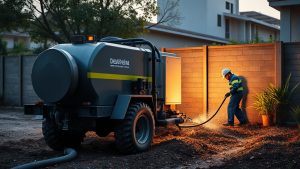
Behind the cab, the middle bay is where the heavy work lives. This is the zone that separates a general handyman from a dedicated desentupidora Praia Grande operation. The first item you notice is the hydro jetting unit: a high-pressure pump paired with a reel of reinforced hose. It blasts water at controlled pressure to cut through grease, scale and root intrusion without damaging sound pipes.
Rodding and inspection tools
Next to the jetter sits a set of manual and electric drain snakes in several diameters. Thin cables handle sinks and floor drains; thicker sectional rods tackle main sewer lines. A compact inspection camera with a monitor lets the technician see the blockage before choosing a method, which prevents unnecessary digging.
Also in this bay:
- Assorted nozzles for the jetter — penetrating, flushing and root-cutting heads.
- A wet/dry vacuum for pulling standing water from small areas.
- Pipe wrenches, channel locks and a basin wrench for opening cleanouts.
- Spare seals and couplings in common sizes.
Each tool is secured with bungee cords or rack mounts. A loose pump head becomes a projectile during a hard brake, so tie-down discipline is part of the job.
The Rear Compartment: Hoses, Chemicals and Septic Support
The rear compartment is the deepest zone and carries the supplies that make long jobs possible. Coiled hoses hang on wall brackets, sorted by length and fitting type. A separate locker holds drain-cleaning chemicals in sealed trays, with absorbent pads and a spill kit nearby. Chemicals are a last resort, but when grease has hardened into a solid plug, a controlled application saves hours.
Septic and holding-tank support
For properties outside the main sewer grid, the van carries a transfer pump and flexible suction hose for limpeza de fossa séptica work. A small tank or tote may be mounted on larger trucks, but even a van-level kit can handle inspection and minor pumping before a vacuum truck arrives. This is where a desentupidora em Praia Grande SP crew earns trust: the right pump on the first visit means no second call-out fee.
Other rear-compartment items include:
- Spare uniforms and gloves in sealed bags.
- Tarps and floor runners to protect client flooring.
- A small generator or battery bank for power in remote locations.
- Traffic cones and warning signs for street-level work.
Weight distribution matters here. Heavy pumps and full chemical trays sit low and over the axle, while light hoses ride high. An overloaded rear end changes braking distance and is a common cause of failed vehicle inspections.
Why the Layout Matters on Every Call
A van is only as good as its organization. When a technician arrives at a backed-up restaurant kitchen, the first three minutes decide whether the job is routine or an emergency. A labeled van means the jetter hose is found without unpacking half the vehicle, and the camera is charged and ready. That is the practical value of a fleet built around zones rather than a pile of tools.
It also supports preventive maintenance. At the end of each shift, the crew restocks consumables, checks hose pressure ratings and logs any damaged fittings. A missing nozzle is replaced before the next call, not discovered on site. For property managers and homeowners, this discipline is a quiet signal that the company treats emergency response as a system, not a favor.
So the next time you see a drain service van parked on a Santos SP street, look at how it sits on its suspension and how neatly the rear doors close. A well-loaded vehicle tells you the crew inside is prepared for the whole job — from the first camera inspection to the final flush. That is the standard worth asking for when you need help fast.